1. Better Route Efficiency
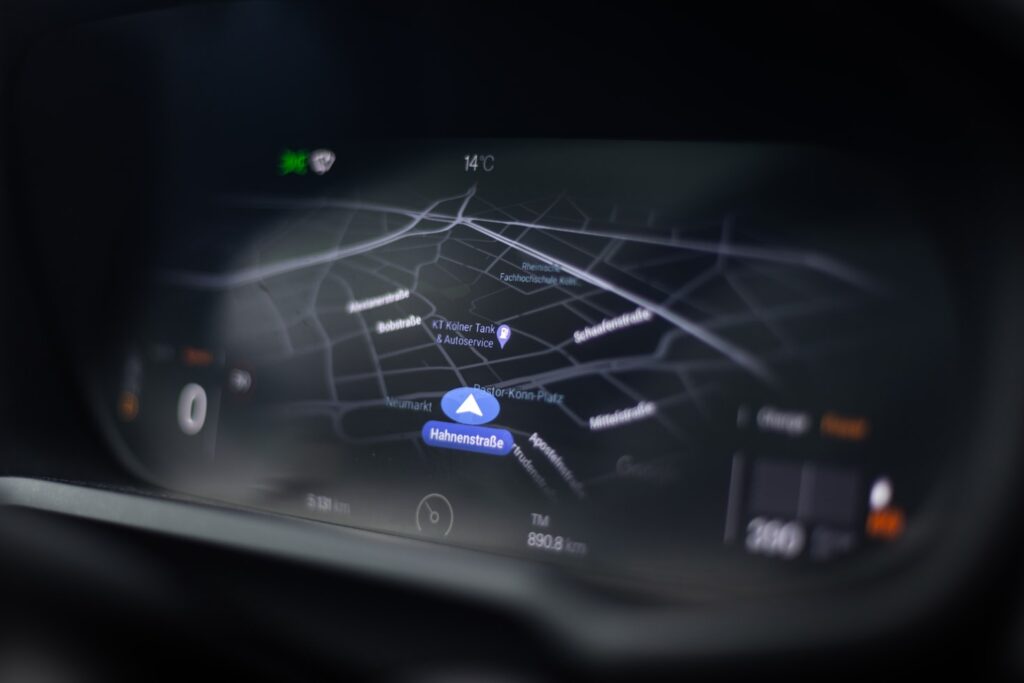
GPS-powered fleet software doesn’t just show drivers where to go; it calculates the most efficient path based on live traffic, distance, and delivery sequence. Many systems also track fuel usage, engine idling, and driver behaviour alongside route data, giving fleet managers a fuller picture of where time and fuel are actually being spent, not just where vehicles have been.
2. Lower Operating Costs
Less time in traffic and fewer unnecessary kilometres translate directly into lower fuel spend: consistently one of the largest line items in any fleet’s operating budget. Combined with reduced idling and optimised routing, GPS tracking gives fleet managers a concrete lever to pull on cost, not just a monitoring tool.
3. Stronger Customer Relationships
Accurate, GPS-backed ETAs let transport businesses commit to delivery windows with real confidence, rather than best-guess estimates. That predictability compounds over time; customers who can rely on delivery accuracy are more likely to stay.
4. Insurance and Risk Benefits
Insurers increasingly factor telematics data into commercial vehicle premiums; fleets that can demonstrate consistent, monitored driving behaviour are often viewed as lower risk. Reduced road time and better-managed routes also mean fewer opportunities for the kind of incidents that drive up premiums and claims history.
5. Better-Informed Budgeting
GPS tracking data compounds over time; daily, weekly, and monthly trip records let fleet managers build transportation budgets based on actual historical consumption and cost patterns, rather than rough estimates. That’s a meaningfully more accurate basis for forecasting next year’s fuel and maintenance spend than intuition alone.