
Vehicle tracking laws in Australia vary meaningfully from state to state — and they’ve changed significantly since this topic was last widely covered. Modernising your fleet with tracking technology increases efficiency, but implementation isn’t as simple as installing hardware: legal requirements differ by state, and recent privacy reforms have raised the stakes for getting it wrong.
While modernising your business model can give you an advantage over competitors, it’s not always as simple as upgrading your industry-specific tools and facilities. Some countries and specific regions may have legal restrictions that affect your implementation.
For fleet managers, fleet tracking technology needs to comply with legal considerations depending on their state.
Ensuring Data Privacy Compliance in Fleet Management
Recent concerns over data privacy over social media platforms have opened the door to stricter regulations concerning personal digital assets.

As fleet management software is quite specific to personal data tracking, it would be good to know the laws of your state when it comes to monitored travels based on the ATO. That is why, so as to avoid violating any state-based policies, you should review your fleet policy.
The 2025 Privacy Reform Fleet Managers Need to Know
Since June 2025, Australia’s privacy landscape has shifted in a way that directly affects vehicle tracking. Under the Privacy and Other Legislation Amendment Act 2024, employees can now sue an organisation directly for a serious invasion of privacy — a new statutory tort. Covert GPS tracking, or any misuse of location data collected from a tracking system, can fall squarely within this category.
This raises the stakes beyond the existing state-based consent and notice requirements: even where a business technically complies with its state’s workplace surveillance laws, mishandling the data collected — using it for a purpose employees weren’t told about, or failing to secure it properly — now carries direct legal exposure that didn’t exist before 2025.
The Advantage of Using Fleet Tracking Technology
Installing vehicle fleet tracking technology provides various benefits to a business’s logistics department. Most of these systems utilise mobile apps, satellite technology, and equipment trackers to measure deliveries and other actions from cargo deliveries.
By optimising your fleet with fleet tracking technology, you’ll have more data in real time to analyse and upgrade your operations. Doing so lets you improve efficiency, identify safety issues, and minimise outflows in your logistical expenses.
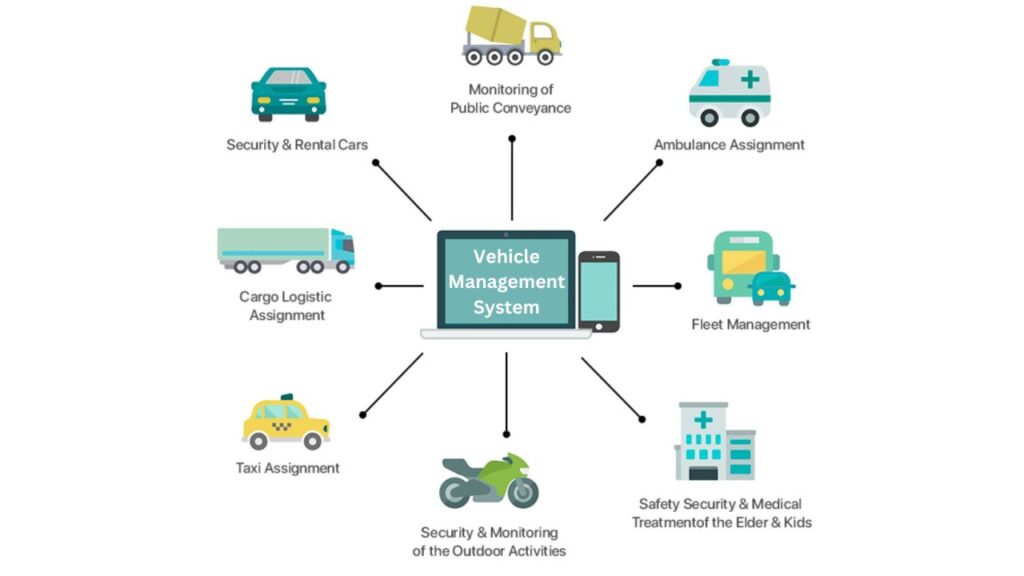
It will generally be beneficial to your organisation in terms of numbers and performance on the sales side. However, it would be best to think about the legal implications of such an installation and maintenance of it concerning your fleet.
The Restrictions on Fleet Tracking Technology Across Different States
In any industry, it’s vital to refer to national and state policies regarding business operations. It can range from getting business permits to receiving authorisation for specific industry-specific tools.
Fleet managers must assess the legal requirements per state to avoid incurring violations when using fleet management software.
New South Wales
On 12 February 2026, the Work Health and Safety Amendment (Digital Work Systems) Bill 2025 passed in NSW — the first legislation of its kind in Australia to specifically regulate digital monitoring and AI-driven work systems under workplace health and safety law. It places a new positive duty on employers to proactively assess the psychosocial risks of digital monitoring, including vehicle tracking, not just the physical and data-privacy dimensions already covered by the Workplace Surveillance Act 2005.
In practice, this means NSW businesses now need a documented risk assessment addressing the mental health impact of monitoring — such as tracking intensity, after-hours limits, and how drivers are informed about what’s being monitored and why — alongside the existing 14-day notice requirement.

Now Trending: Southbound Lanes Reopen After Fatal Gundagai Truck Accident
South Australia, Western Australia, and Northern Territory
In these territories, the general rule is that inspection officers cannot surveil drivers without expressing implied consent.
Fleet Tracking Technology for State Compliance
After studying the restrictions of each state, it’s vital to assess if your chosen fleet tracking software can accommodate these policies adequately. Otherwise, you could end up buying hardware and software that’s unusable under state regulations.
For this reason, you must look for a fleet management system that works efficiently under your scope of operations.

If you’re looking for reliable fleet maintenance software in Australia, you’re in the right place. At Manage Vehicle, we provide business owners with the right tools to monitor and oversee their assets.
References
- Sprintlaw, Workplace Surveillance Act 2005 (NSW) Explained — sprintlaw.com.au
- Safety Space, A Practical Guide to the Workplace Surveillance Act NSW — safetyspace.co
- LawPath, 5 Things You Need to Know About the Workplace Surveillance Act — lawpath.com.au

Australian Capital Territory
Similar to New South Wales, business owners must consult with employees in good faith before implementing workplace surveillance. There should be confirmation in writing 14 days after surveillance devices are activated.

Unlike NSW rules, the vehicle may not include a visible notice of surveillance as long as employees are already aware of the tracking procedures.
Victoria
Victoria’s Surveillance Devices Act 1999 was amended in December 2025. Businesses operating tracking systems in Victoria should review their current consent and data-handling processes against the amended Act, rather than relying on pre-2025 compliance assessments.
Now Trending: Southbound Lanes Reopen After Fatal Gundagai Truck Accident
South Australia, Western Australia, and Northern Territory
In these territories, the general rule is that inspection officers cannot surveil drivers without expressing implied consent.
Fleet Tracking Technology for State Compliance
After studying the restrictions of each state, it’s vital to assess if your chosen fleet tracking software can accommodate these policies adequately. Otherwise, you could end up buying hardware and software that’s unusable under state regulations.
For this reason, you must look for a fleet management system that works efficiently under your scope of operations.
If you’re looking for reliable fleet maintenance software in Australia, you’re in the right place. At Manage Vehicle, we provide business owners with the right tools to monitor and oversee their assets.
References
- Sprintlaw, Workplace Surveillance Act 2005 (NSW) Explained — sprintlaw.com.au
- Safety Space, A Practical Guide to the Workplace Surveillance Act NSW — safetyspace.co
- LawPath, 5 Things You Need to Know About the Workplace Surveillance Act — lawpath.com.au